
Maintaining Purity: The importance of sterile air filtration in dairy farming
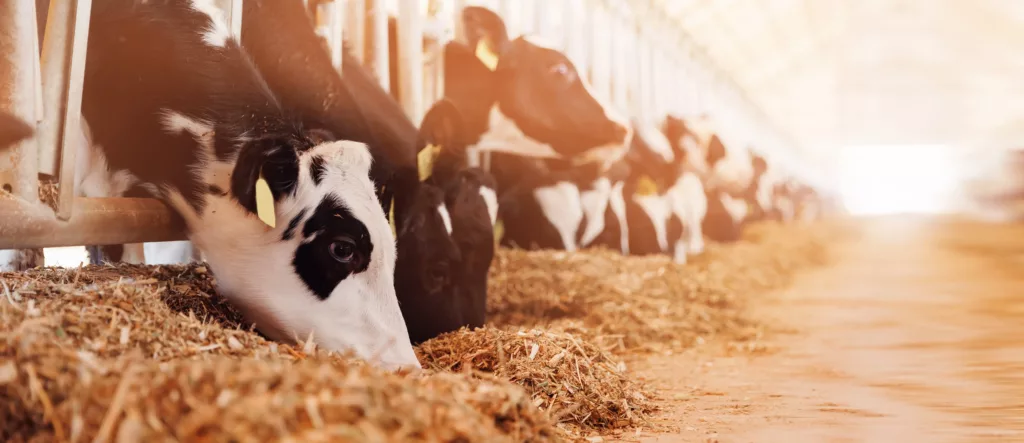
In dairy farming, the quality of milk is of utmost importance. But ensuring this quality is not only about accuracy in milk handling itself; it also involves rigorously maintaining hygiene and safety standards throughout the production process. One factor that is often overlooked, but plays a crucial role, is air quality. In this blog post, we explore why sterile air filtration is crucial in milk production and how it ensures the purity and safety of dairy products.
In any dairy plant, airborne contaminants pose a significant risk to product quality and safety. These contaminants can include bacteria, viruses, molds and other harmful particles that degrade the integrity of dairy products. A sterile air filtration system plays a crucial role in reducing this risk by removing contaminants from the air and creating a clean and hygienic environment for dairy processing.
Maintaining clean air quality is crucial at every stage of milk production, from milking to processing and packaging. During milking, airborne contaminants can come into contact with colostrum and lead to contamination and deterioration. Similarly, in processing plants, airborne pathogens can multiply and degrade the quality of dairy products. By implementing a sterile air filtration system, dairy producers can effectively prevent contamination and maintain the highest hygiene standards.
Clean air directly affects the quality of dairy products during production. Airborne contaminants not only pose health risks but can also affect the taste, texture and shelf life of dairy products. Sterile air filtration helps preserve the freshness and integrity of dairy products by eliminating the risk of contamination. This ensures that consumers receive dairy products of the highest quality and safety standards.
In addition to maintaining product quality, dairy producers must also adhere to stringent regulatory standards governing food safety and hygiene. Sterile air filtration is a crucial component of these standards, with regulatory bodies often mandating the use of air filtration systems in dairy facilities. By investing in sterile air filtration technology, dairy producers can demonstrate their commitment to regulatory compliance and consumer safety.
How to choose the right type of filtration system?
Choosing the appropriate sterile air filtration system is crucial for dairy producers. Factors such as airflow rate, filtration efficiency, and maintenance requirements should all be considered when choosing a filtration system. In addition, customization may be necessary to address specific challenges unique to each dairy facility. Working closely with us can help dairy producers identify the most appropriate solution for the specific need
Sterile air filtration is indispensable in dairy farming to ensure product purity, safety and compliance with regulatory standards. By investing in high quality filtration systems and maintain strict hygiene protocols, dairy producers can ensure the integrity of their products and build trust with consumers. This is where we come in; together with Parker as the world leader in the filtration category, we are confident that we will improve the conditions for dairy producers to achieve the highest quality. The dairy industry is constantly evolving its processes, and producers will continue to use sterile air filtration as a cornerstone of quality assurance and risk management.
This text was written by Emil Lundberg (emil.lundberg@colly.se), Key Account Manager at Colly Flowtech.
Author
