
Cold filtration: Optimal quality and nutrient preservation process in the brewing industry
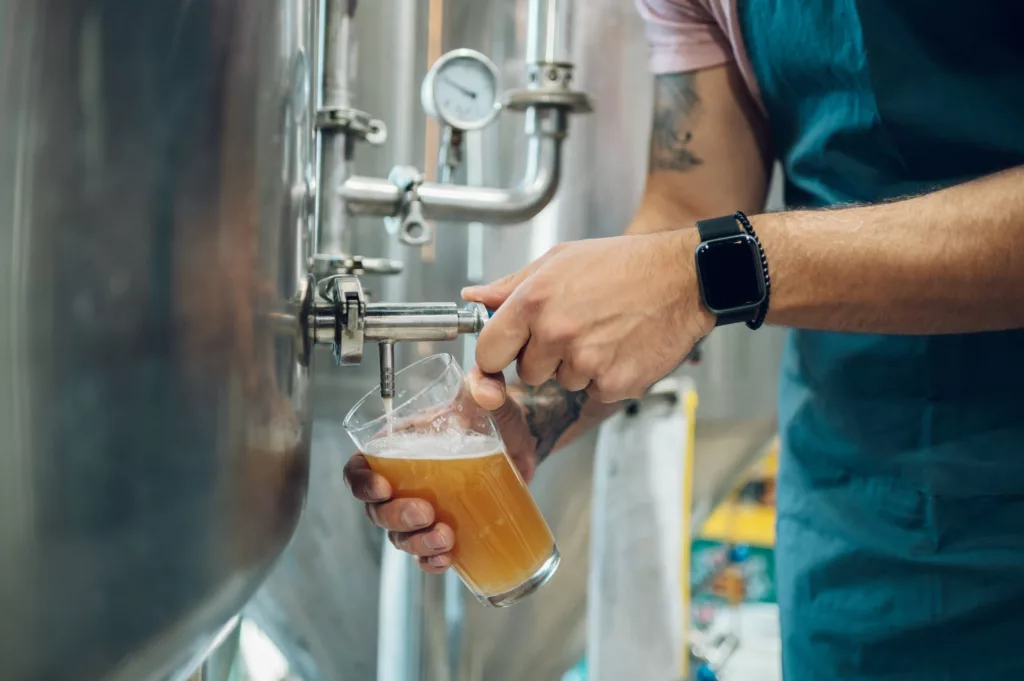
In the brewing industry, quality and taste are of paramount importance. To achieve these goals, there are various processes used, with cold filtration standing out as one of the most beneficial methods. In this blog post, we delve into why cold filtration is superior to tunnel pasteurization and flat pasteurization when it comes to preserving flavour and improving product shelf life and quality.
What is the difference between cold filtration and pasteurization?
Cold filtration and pasteurization are both processes that you use in the brewing industry, but you perform them at different temperatures and for different purposes.
Tunnel pasteurization
Tunnel pasteurization involves transporting bottles or cans of beer through a long tunnel where you heat them in different zones. The aim is to kill harmful microorganisms and extend shelf life. The process involves:
- Heat to approximately 60-70°C for 10-20 minutes.
- The bottles or jars are then gradually cooled down.
Flat pasteurization
Plate pasteurization involves heating the beer before bottling or canning it. The process takes place in a plate heat exchanger and involves:
- Heating to approximately 72°C for 15-30 seconds.
- Rapid cooling after pasteurization.
Both of these methods are effective in reducing pathogens but can negatively affect the taste of beer by altering its natural characteristics.
Cold filtration
Cold filtration is a method of purifying beer from particles, sediments and some micro-organisms at low temperatures, usually between 0-4°C. The technique involves passing the beer through a filter that removes unwanted components without using heat. There are different types of cold filtration, such as:
- Microfiltration: Removes particles down to 0.1 micrometers.
- Ultrafiltration: Filters particles down to 0.01 micrometers.
- Nanofiltration: Removes particles down to 0.001 micrometers.
Preserves taste and aroma
One of the most prominent advantages of cold filtration is its ability to preserve flavor and aroma. Using high temperatures in tunnel pasteurization and plate pasteurization can lead to:
- Altered flavour profile: Heat treatment can lead to Maillard reactions and caramelization, altering the natural flavour of the beer.
- Lost aromas: Many of the subtle aromas that give beer its unique character can be lost at high temperatures.
By working at low temperatures, cold filtration protects these delicate components, which is crucial to preserving the original taste and aroma of the beer.
A faster and more energy efficient process
Cold filtration is superior in terms of energy efficiency and production speed. The process usually requires less energy because it does not involve heating the product to high temperatures. This leads to:
- Lower energy costs: Reducing energy consumption lowers production costs.
- Faster implementation: Cold filtration can often be implemented faster than both tunnel and plate pasteurization, increasing production capacity.
- Higher production efficiency: The faster process allows for a quicker time to market, which is crucial in a competitive industry.
Increased sustainability
Cold filtration also contributes to increased shelf life of beer through several mechanisms:
- Extended shelf life: By removing microorganisms and contaminants without using heat, cold filtration can effectively extend the shelf life of the product without affecting its taste.
- Reduced oxidation: Since the process takes place at low temperatures, the risk of oxidation, which can degrade both taste and aroma over time, is minimized.
- Reduced chemical use: By reducing the need for preservatives and other chemicals to extend shelf life, cold filtration contributes to a cleaner and more natural product.
To summarize
Cold filtration stands out as the superior choice in the brewing industry for its ability to preserve the taste, aroma and structure of beer. Its energy efficiency and speed of the process help to increase production capacity and reduce costs. This method also improves the shelf life of products, reducing the need for additives. When quality and taste are priorities, cold filtration is the optimal choice to create beers that satisfy not only the consumer's taste buds but also their expectations of a high-quality product.
Together with Parker Hannifin Colly Flowtech enables a process that is aligned with the high demands and expectations of the industry. With Parker's advanced filtration technologies, breweries can ensure they deliver the highest quality beer to the market, while optimizing their production processes for sustainability and efficiency.
We at Colly Flowtech are proud to represent Parker Hannifin with all its knowledge and expertise. Are you interested in the possibilities that cold filtration would give you? Do not hesitate to contact us at Colly Flowtech.
This text was written by Tobias Sander (tobias.sander@colly.se), Technical Sales at Colly Flowtech.
Author
